1
/
of
1
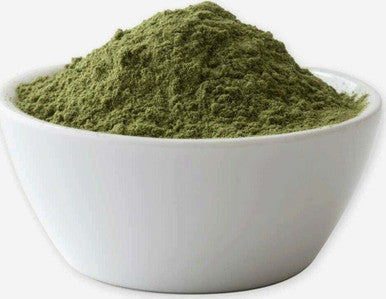
Organic Wheatgrass Powder (Triticum aestivum) | Chlorophyll, Detox & Immune Support
Organic Wheatgrass Powder (Triticum aestivum) | Chlorophyll, Detox & Immune Support
Regular price
£5.00
Regular price
Sale price
£5.00
Unit price
/
per
Taxes included.
Shipping calculated at checkout.
Couldn't load pickup availability
Organic Wheatgrass Powder (Triticum aestivum)
Wheatgrass is the young grass of the wheat plant (Triticum aestivum), harvested before jointing to preserve its peak nutritional density. It is one of the most nutrient-dense green superfoods available, rich in chlorophyll, vitamins A, C, E & K, B-complex vitamins, iron, calcium, magnesium, flavonoids, and over 90 minerals. Extensively used in naturopathic and integrative wellness practices for detoxification, immune support, and alkalising the body. Available in 50 g and 100 g sizes.
Key Benefits
- Chlorophyll-rich detoxification — chlorophyll binds to heavy metals and toxins, supporting hepatic detoxification and elimination pathways
- Antioxidant protection — flavonoids, phenolic acids, and vitamins C & E neutralise free radicals and reduce oxidative stress
- Immune system support — vitamins A, C, and E alongside zinc and selenium support innate and adaptive immune function
- Alkalising effect — high mineral content helps buffer excess acidity and support healthy pH balance
- Digestive health & microbiome support — dietary fibre and enzymes support bowel regularity and beneficial gut bacteria
- Energy & vitality — B-complex vitamins and iron support cellular energy production and reduce fatigue
- Skin clarity — anti-inflammatory and antioxidant compounds support skin health from within
Clinical Research & Evidence
- Antioxidant & anti-inflammatory activity: A study published in the Journal of Food Science and Technology (Bar-Sela et al., 2007) demonstrated that wheatgrass juice supplementation significantly reduced oxidative stress markers and improved antioxidant enzyme activity in cancer patients undergoing chemotherapy, suggesting meaningful antioxidant capacity in vivo.
- Haematological support: A randomised controlled trial in Nutrition and Cancer (Bar-Sela et al., 2007) found that wheatgrass juice reduced the need for blood transfusions in patients with thalassaemia major, attributed to its high chlorophyll and iron content supporting haemoglobin synthesis.
- Ulcerative colitis: A double-blind, placebo-controlled trial published in the Scandinavian Journal of Gastroenterology (Ben-Arye et al., 2002) found that wheatgrass juice supplementation significantly reduced disease activity, rectal bleeding, and overall symptom severity in patients with active distal ulcerative colitis over 1 month.
- Cholesterol & lipid management: Animal studies published in Acta Poloniae Pharmaceutica demonstrated that wheatgrass supplementation reduced total cholesterol, LDL, and triglyceride levels while increasing HDL, suggesting cardiovascular protective effects.
- Antimicrobial activity: Chlorophyll-derived compounds in wheatgrass have demonstrated inhibitory activity against Staphylococcus aureus and other pathogenic bacteria in in vitro studies, supporting its traditional use as a cleansing and purifying food (Asian Pacific Journal of Tropical Biomedicine, 2012).
Common Uses
- Daily green superfood shots and smoothies
- Detox and cleansing programmes
- Immune support and wellness blends
- Digestive health and gut microbiome support
- Energy and vitality formulations
- Alkalising dietary protocols
- Skin health and anti-inflammatory nutrition
Suggested Use
- Powder shot: 1 tsp (approx. 3–5 g) mixed into 100–150 ml cold water or juice; drink immediately on an empty stomach
- Smoothie: Add 1–2 tsp to your favourite green smoothie blend
- Capsules: 500–1,000 mg, 1–2 times daily with water
Best consumed on an empty stomach in the morning for maximum absorption. Start with a smaller amount and increase gradually if new to wheatgrass.
Safety & Precautions
- Contains gluten precursors — not suitable for those with coeliac disease or severe gluten sensitivity (wheatgrass itself is gluten-free at the grass stage, but cross-contamination risk exists; consult your practitioner if in doubt).
- May cause nausea or digestive discomfort when first introduced; start with a small amount.
- Not recommended during pregnancy or breastfeeding without professional guidance.
- Consult a healthcare professional before use if taking blood-thinning medications (high vitamin K content).
- Keep out of reach of children.
Share